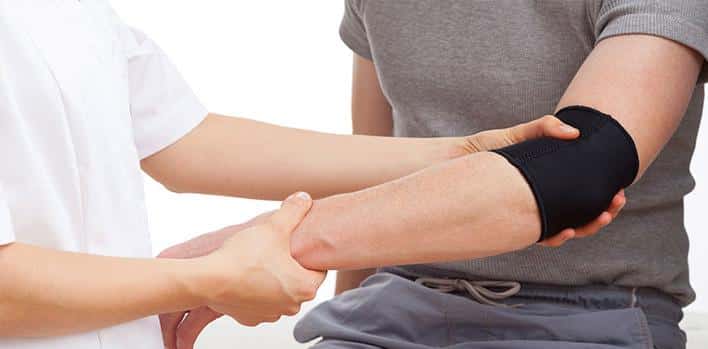
It is a common disorder characterized by pain localized to the outer aspect of the elbow. Although named ‘tennis elbow,’ it is far more frequently encountered in individuals engaged in intensive manual labor, office professionals with repetitive keyboard and mouse usage, and homemakers.
The condition presents with pain radiating through the lateral elbow and proximal forearm. Initially relieved by rest, the discomfort gradually becomes persistent and progressive. The underlying pathology involves microtrauma and angiofibroblastic degeneration where the common extensor tendons anchor to the lateral epicondyle. Patients frequently misattribute early twinges to fatigue until progressive pain impairs daily activities.
Because this condition stems from mechanical biomechanical overload, identifying and modifying the underlying cause is paramount to lasting recovery. Addressing symptoms without correcting biomechanical strain will inevitably result in recurrence.
The predominant contributing mechanism is repetitive tensile strain. Contrary to common assumption, the primary biomechanical fault rarely originates in the elbow itself, but rather in repetitive or awkward wrist motions. Continuous wrist extension and forceful gripping—such as typing, mouse manipulation, hammering, manual washing, and repetitive grasping—place heavy demands on the extensor tendons. Individuals at risk include office workers, manual laborers, homemakers, and racquet sports athletes.
Pain can escalate to the degree that routine functional activities—such as shaking hands, turning a door handle, holding a coffee mug, or lifting lightweight objects—become intensely painful.
The primary early management step is relative rest and avoidance of inciting repetitive stressors. When occupational demands make movements unavoidable, ergonomic modification is crucial. Keeping lifted objects close to the body and shortening the mechanical lever arm significantly reduces strain across the extensor muscle mass. Ergonomic workstation adjustments and task pacing provide essential joint protection.
In athletes—especially in tennis and racquet sports—refining stroke technique is critical. During backhand strokes, initiating power through core and shoulder mechanics rather than localized wrist flicking prevents epicondylar overloading. In weight training and fitness routines, avoiding excessive sustained grip clenching and avoiding locking out the elbow under load helps prevent chronic tendon micro-tears.
Treatment Modalities
Treatment options for tennis elbow encompass a wide spectrum from non-invasive therapies to minimally invasive regenerative options and surgical release.
Initial conservative therapy consists of anti-inflammatory medications to ease localized swelling and pain, coupled with a specialized counterforce forearm strap (epicondylitis band) and cryotherapy applied for 15 minutes, 5–6 times daily. Patients are monitored over a 2–3 week interval to evaluate symptomatic relief and functional restoration. For persistent symptoms, image-guided local corticosteroid infiltration may be utilized. In addition, Platelet-Rich Plasma (PRP) therapy—concentrating autologous regenerative platelets and growth factors from the patient’s own blood—promotes biological tendon healing and collagen remodeling.
For patients who prefer non-injection options, structured physical therapy, eccentric extensor strengthening exercises, and targeted radiofrequency treatments offer proven alternative benefits. When chronic pain resists conservative therapies beyond 6 months, surgical intervention serves as the definitive solution. Through open or arthroscopic micro-debridement, degenerate tendon tissue is precisely excised and blood supply is stimulated. To ensure complete patient comfort and alleviate procedural anxiety, regenerative injections and minor interventions can seamlessly be performed under mild sedation.
For detailed information and appointment scheduling, please visit our Contact page.
Contact Us for Comprehensive Tennis Elbow Diagnosis & Treatment.