

Knee
The knee is one of the largest and most critical weight-bearing joints in the body, providing mobility, stability, and load distribution. However, traumatic injuries, sports-related trauma, and degenerative conditions can significantly impair daily activities and athletic performance. Below are the most common knee conditions evaluated and treated at our clinic:
Anterior Cruciate Ligament (ACL)
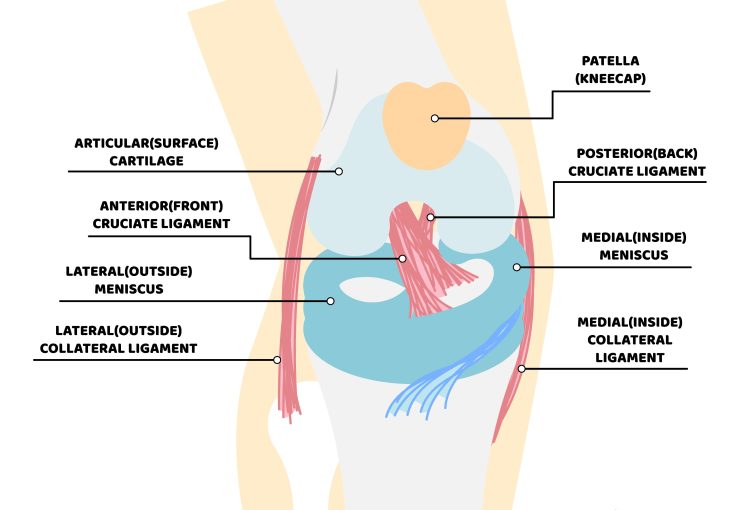
To withstand demanding mechanical loads and pivoting forces, the bones comprising the knee joint are stabilized by four primary ligaments. Two reside outside the joint (the medial and lateral collateral ligaments), while two cross within the joint (the anterior and posterior cruciate ligaments). Originating from the posteromedial aspect of the lateral femoral condyle and inserting onto the anterior tibial plateau, the Anterior Cruciate Ligament (ACL) is the primary restraint against anterior tibial translation and rotatory knee instability.
Meniscus
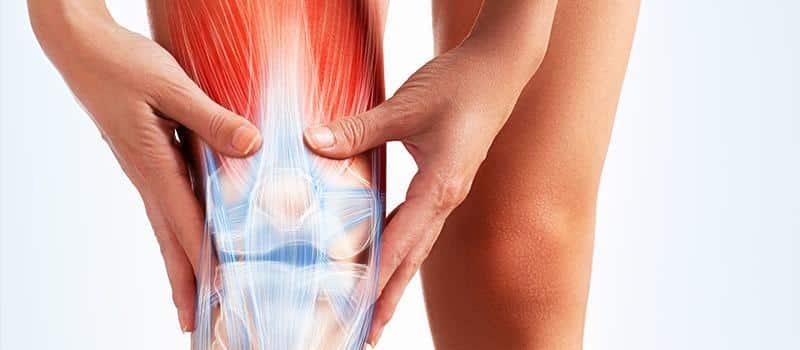
The menisci are specialized C-shaped fibrocartilaginous structures interposed between the femur (thigh bone) and tibia (shin bone). Each knee contains two menisci: the medial and lateral meniscus. They cover one-third to one-half of the tibial plateau, functioning as crucial shock absorbers, load distributors, and joint stabilizers. Vascularity varies significantly by zone (red-red, red-white, white-white), dictating healing potential and the choice between arthroscopic repair and preservation.
Anterior Knee Pain
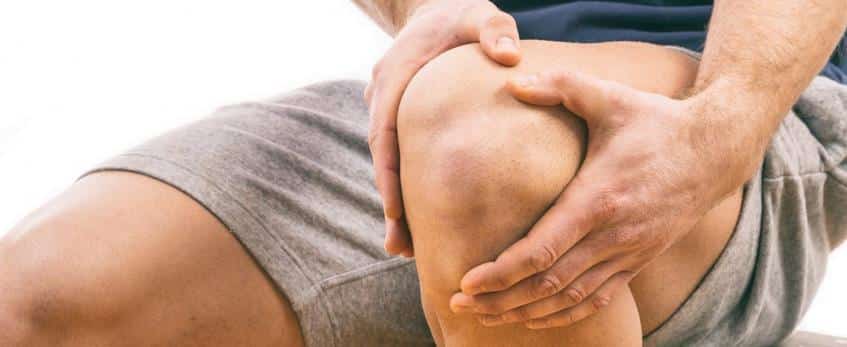
Anterior knee pain refers to discomfort or aching felt at the front and center of the knee around the patella (kneecap). It encompasses diverse etiologies including patellofemoral pain syndrome, chondromalacia patellae (cartilage softening/wear behind the patella), patellar tendinopathy, and biomechanical malalignment. Precise clinical diagnosis is paramount to prevent chronic joint degradation and restore pain-free functional motion.
Cartilage & Joint Preservation
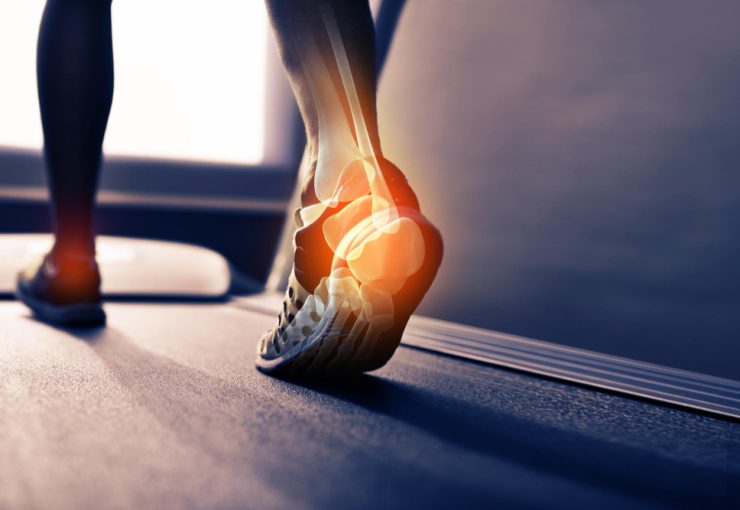
Knee disorders—ranging from sports ligament tears and meniscal lesions to chondral damage—are successfully managed through advanced arthroscopic techniques and targeted biological rehabilitation.

Tedavi