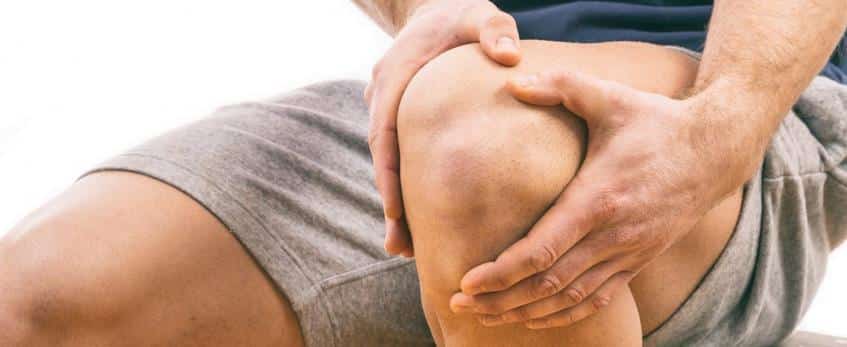
Anterior knee pain describes aching discomfort around and behind the patella (kneecap), commonly provoked by climbing stairs, squatting, or prolonged sitting with flexed knees.
Kondromalazi patella nedir?
Sedentary lifestyle followed by unconditioned or sudden intense exercise frequently triggers patellar cartilage inflammation.
The leading cause of anterior knee pain is Chondromalacia Patellae (Patellofemoral Pain Syndrome), characterized by softening, fibrillation, and wear of the retro-patellar articular cartilage.
Chondromalacia Patellae involves softening and micro-erosion of the thick hyaline cartilage lining the undersurface of the kneecap. As the patella tracks within the femoral trochlear groove, abnormal contact pressures generate aching friction and joint irritation.
Who is Affected by Chondromalacia Patellae?
Commonly termed “runner’s knee,” it frequently affects young athletes, runners, cyclists, and fitness enthusiasts whose training subjects the patellofemoral joint to repetitive axial stress.
Temporary rest relieves acute pain, but addressing underlying quadriceps muscle imbalances (especially VMO weakness) and patellar tracking is vital for permanent resolution.
Etiology & Biomechanical Causes
Contributing factors include patellofemoral maltracking, trochlear dysplasia, vastus medialis obliquus (VMO) weakness, tight lateral retinaculum, foot pronation, and sudden spikes in training volume.
Prevention relies on progressive quadriceps and gluteal strengthening, core stabilization, maintaining optimal body weight, and wearing supportive footwear with proper shock absorption.
Diagnosis involves Merchant axial patellar X-rays and MRI to grade cartilage softening and evaluate trochlear morphology.
Treatment Modalities
The primary therapeutic goal is offloading the patellofemoral joint. Targeted physical therapy emphasizing isometric quadriceps training, VMO strengthening, and hamstring stretching provides high success rates.
For refractory cases failing conservative care, minimally invasive arthroscopy permits cartilage smoothing (chondroplasty), removal of loose bodies, and lateral retinacular release to restore central patellar tracking.
Preventative Measures & Joint Health:
Maintaining a healthy weight to reduce joint contact pressures,