

Frozen Shoulder

PROF. DR. YAVUZ KOCABEY

WHAT IS FROZEN SHOULDER?

Frozen Shoulder (Adhesive Capsulitis)

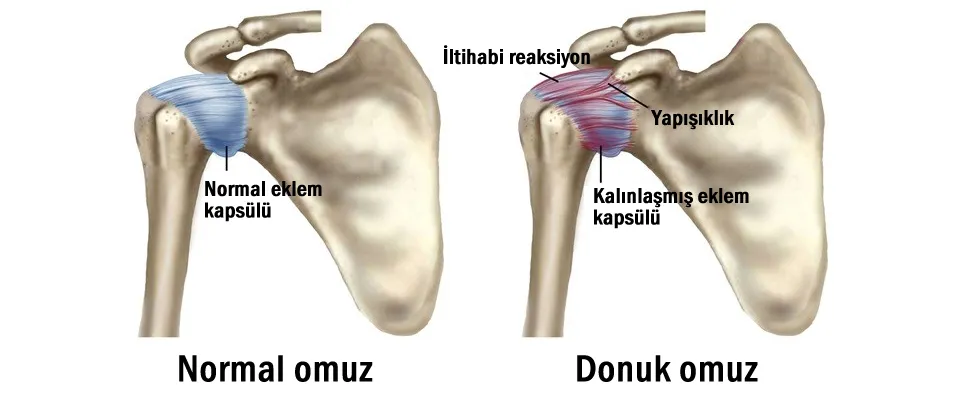
Frozen shoulder, clinically known as adhesive capsulitis, is a painful and disabling disorder characterized by progressive stiffness and severe restriction of glenohumeral range of motion. More prevalent in individuals between 40 and 60 years of age, and disproportionately affecting women, the condition involves chronic inflammation, fibrotic thickening, and contracture of the joint capsule. While frequently idiopathic, it commonly correlates with metabolic disorders such as diabetes mellitus and thyroid disease, or develops secondary to prior shoulder trauma, rotator cuff pathology, or prolonged postoperative immobilization. Symptoms progress through distinct phases, severely impairing activities of daily living and disrupting sleep. The stages of frozen shoulder are outlined below:
Stages of Frozen Shoulder

Stage 1 – Freezing (Painful Stage): 2 to 9 Months

The condition initiates with diffuse, severe shoulder pain that worsens at night and at rest, followed by progressive joint stiffness and functional restriction. Internal rotation—such as reaching behind the back—is typically the first movement compromised.

Stage 2 – Frozen (Stiff Stage): 4 to 12 Months

Pain gradually subsides or plateaus, but joint stiffness and functional restriction persist or worsen. External rotation becomes profoundly limited, making routine self-care activities such as grooming and dressing arduous.

Stage 3 – Thawing (Recovery Stage): 1 to 3 Years

This recovery phase is marked by gradual resolution of stiffness and progressive restoration of joint motion, steadily improving over months with appropriate rehabilitation.

The natural clinical course varies widely among individuals. Without targeted medical intervention and structured physical rehabilitation, long-standing joint contractures can result in permanent deficits in shoulder mobility.

Frozen Shoulder (Adhesive Capsulitis) Tedavisi

Medication Therapy: Anti-inflammatory analgesics and specialized pain-modulating agents help manage inflammatory pain and facilitate active sleep rest.

Physical Therapy: Customized multimodal rehabilitation encompassing therapeutic gentle stretching, passive joint mobilization, transcutaneous electrical nerve stimulation (TENS), and cryo/heat therapy to preserve joint range of motion.

Corticosteroid Injections: Ultrasound-guided intra-articular corticosteroid infiltration rapidly suppresses capsular inflammation and relieves pain, creating a critical window for physical therapy advancement.

Shoulder Manipulation under Anesthesia (MUA): In patients with persistent refractory stiffness, gentle and controlled mobilization of the shoulder under short anesthesia safely releases dense capsular adhesions without surgical cutting.

Arthroscopic Capsular Release: For advanced or persistent contractures unresponsive to conservative therapy, minimally invasive arthroscopic release of the fibrotic capsule provides rapid mobility restoration. Through keyhole incisions, the contracted capsule is circumferentially divided, allowing immediate postoperative physical therapy and prompt resumption of daily function.

For detailed information and appointment scheduling, please visit our Contact page.

Contact Us for Advanced Frozen Shoulder Evaluation & Treatment.