

Meniscus

PROF. DR. YAVUZ KOCABEY

WHAT IS THE MENISCUS?

WHAT IS A MENISCUS?

The meniscus is a specialized C-shaped crescent of dense fibrocartilage positioned between the femoral condyles and tibial plateau. Each knee possesses a medial and lateral meniscus, covering one-third to one-half of the joint surface. Functioning as the primary shock absorber, each meniscus distributes axial load, enhances joint congruity, lubricates the cartilage, and assists in knee stability. Tears may occur through acute torsional trauma in athletes or through progressive degenerative thinning in older adults.
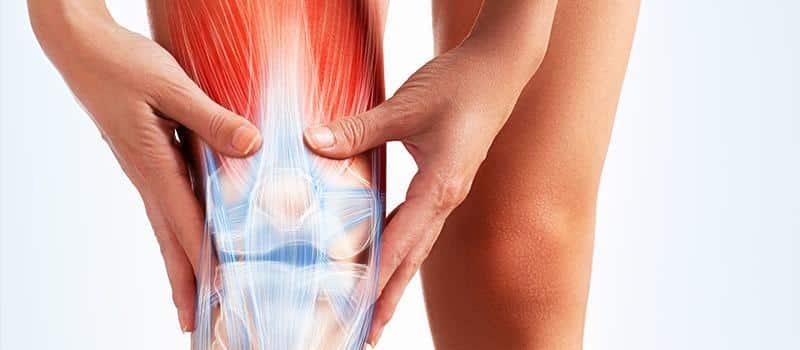
  1. Protects articular cartilage against mechanical wear and joint degeneration.
  2. Provides crucial secondary stabilization to the knee joint.
  3. Distributes axial weight-bearing loads across the tibial plateau.
  4. Acts as an essential shock absorber during running, jumping, and walking.
  5. Ensures anatomical congruency between the rounded femoral condyles and flat tibial plateau.
  6. Aids in synovial fluid distribution and joint lubrication.

WHO IS AT RISK OF MENISCUS TEARS?

  1. Meniscus tears are among the most common knee injuries, occurring across both young athletes and older age groups.
  2. Traumatic (Acute) Tears: Result from forceful twisting, pivoting, or sudden deceleration, predominantly in young active individuals and contact sports athletes.
  3. Degenerative Tears: Frequently occur in individuals over 45–50 years of age due to age-related collagen dehydration and loss of tissue elasticity.
  4. Athletes in soccer, basketball, wrestling, skiing, and tennis are particularly vulnerable during fixed-foot rotational stresses.

HOW DO MENISCUS TEARS OCCUR?

Tears develop when excessive rotational shear forces occur between the curved femoral condyles and the flat tibial plateau under axial body load.

Meniscus tears are broadly classified into acute traumatic tears and chronic degenerative tears.

The most typical mechanism involves rotational twisting of the flexed knee with the foot planted firmly on the ground.

WHAT ARE THE SYMPTOMS OF A MENISCUS TEAR?

  1. Sharp, sudden localized joint line pain along the medial or lateral side of the knee.
  2. Pain aggravated by deep knee flexion, twisting, or squatting.
  3. Mechanical symptoms such as clicking, catching, or true joint locking (where the knee cannot be fully straightened).
  4. Delayed joint effusion (swelling within 24–48 hours) and restricted range of motion.
  5. Athletes may occasionally finish play, but worsening stiffness, joint line tenderness, and swelling develop over the following days.

HOW ARE MENISCUS TEARS DIAGNOSED?

Diagnosis is established via provocative clinical maneuvers (McMurray test, Apley test, joint-line tenderness) and confirmed with high-field MRI, which details tear configuration, vascular zone (red-red vs. white-white), and tissue quality.

TREATMENT OPTIONS FOR MENISCUS TEARS

Treatment planning considers tear morphology, vascularity, patient age, activity level, and mechanical symptoms. Whenever feasible, meniscal preservation and repair is prioritized over meniscectomy.

Therapeutic approaches include conservative rehabilitation and minimally invasive arthroscopic repair.

1. Konservatif tedavi:

Stable, non-displaced tears in the vascular peripheral zone can often be managed conservatively with targeted physical therapy, load reduction, and biological injections.

Preoperative pre-habilitation restores quadriceps control and minimizes joint swelling, accelerating postoperative functional recovery.

Rehabilitation aims to eliminate joint effusion, restore full extension and flexion range of motion, and strengthen surrounding stabilizer muscles to protect the joint.

Rehabilitation Protocol: Acute anti-inflammatory measures (cryotherapy, compression, elevation), followed by progressive closed-chain strengthening and proprioceptive training.

2. Arthroscopic Surgical Treatment:

Arthroscopic meniscal repair—using all-inside, inside-out, or outside-in suturing techniques—preserves vital joint biomechanics and protects against long-term osteoarthritis. Only irreparably damaged, non-vascularized tears undergo minimal partial meniscectomy.

For detailed information and appointment scheduling, please visit our Contact page.

Contact Us for Specialized Meniscus Evaluation & Treatment.